Which computing technology is better for your organization: edge, hybrid edge, or cloud? Manufacturers often use a combo of the three approaches according to application, product, or system. Processing and analyzing data in the digital era requires an understanding of the methods that can make a direct impact on your bottom line.
Dissecting Edge, Hybrid Edge, and Cloud Computing Technologies
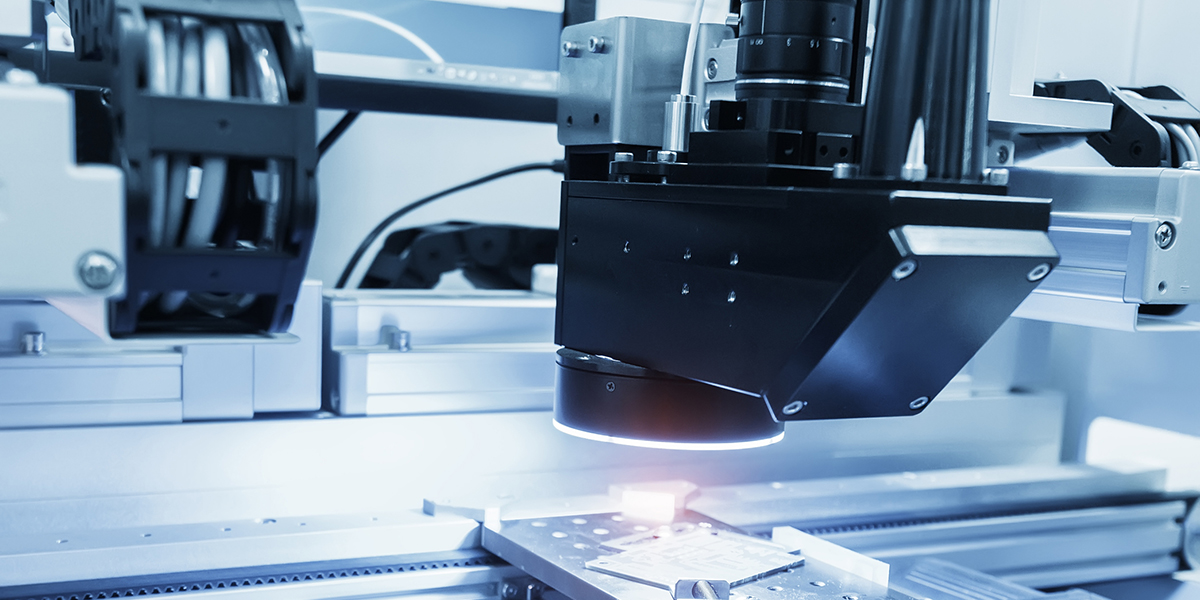
Edge computing instantly processes data near where it is created, rather than sending it to a remote server or data center. Think of having an embedded processor at a sensor to handle time-sensitive tasks such as inspection. Benefits of edge computing include reduced bandwidth costs, better response times, and quicker insights.
Cloud computing is the on-demand availability of resources such as storage or infrastructure as services over the Internet. Because they only pay for what they use, companies eliminate the need to manage their own physical resources. Within the cloud itself, expect to find multi-cloud, hybrid-cloud, and multi-hybrid variants.
Citing cybersecurity concerns, some manufacturers hesitate to use the cloud for critical manufacturing processes. Cloud computing will likely serve as a source for AI training, backup and restore processes, and data analytics.
Hybrid edge (also called "fog") computing is just as it sounds: It combines low-latency edge infrastructure with public or private clouds. In this method, real-time workloads run near the source and complex analytics are saved to the cloud. Hybrid edge computing improves responsiveness and lessens the load on the cloud by handling resource-heavy tasks.
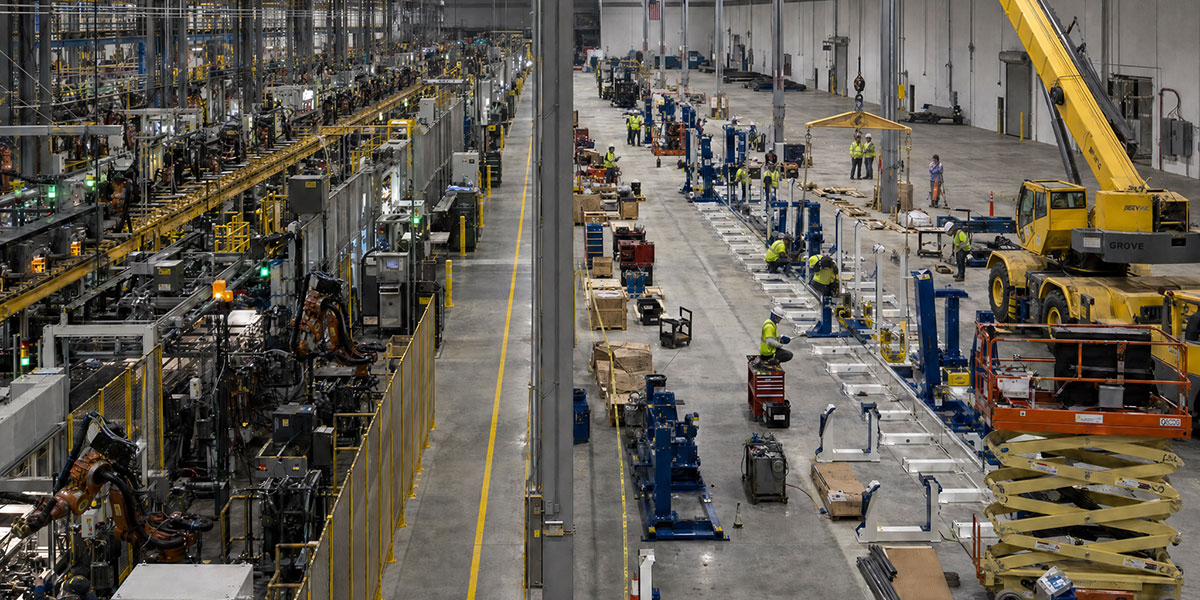
Learn how your industry colleagues are using direct-edge, hybrid-edge, and cloud computing — including vision inspection software and automation of material handling at a truck plant — in this A3 article.
Contact Us Today
Need help marketing your edge computing, IIoT, or cloud-connected technologies? Contact us today.
“Real-time workloads run near the source and complex analytics are saved to the cloud — giving manufacturers the best of both worlds.”